What Is Regenerative Aesthetics? PRP, PDRN, Exosomes, and Biostimulators Explained
Quick answer: Regenerative aesthetics is an approach that improves skin by stimulating your body's own repair processes rather than adding volume or relaxing muscles. The main tools are PRP (growth factors from your own blood), PDRN or polynucleotides (DNA fragments that signal repair), exosomes (cell-derived messaging particles), and collagen biostimulators (injectables that trigger collagen production). Each works differently, they are often combined with microneedling or laser, and results build gradually over months and look like healthier skin rather than a procedure.
What is regenerative aesthetics?
Traditional aesthetic medicine adds (filler), relaxes (neuromodulators), or removes (lasers, peels). Regenerative aesthetics repairs. It uses biologic signals to tell skin cells to produce more collagen, elastin, and hyaluronic acid, to improve blood supply, and to calm inflammation. The result is skin that is thicker, firmer, smoother, and more resilient, not skin that looks treated. It is the fastest-growing area in aesthetics, and for good reason: patients increasingly want to look like themselves, rested and well, not altered.
What is PRP?
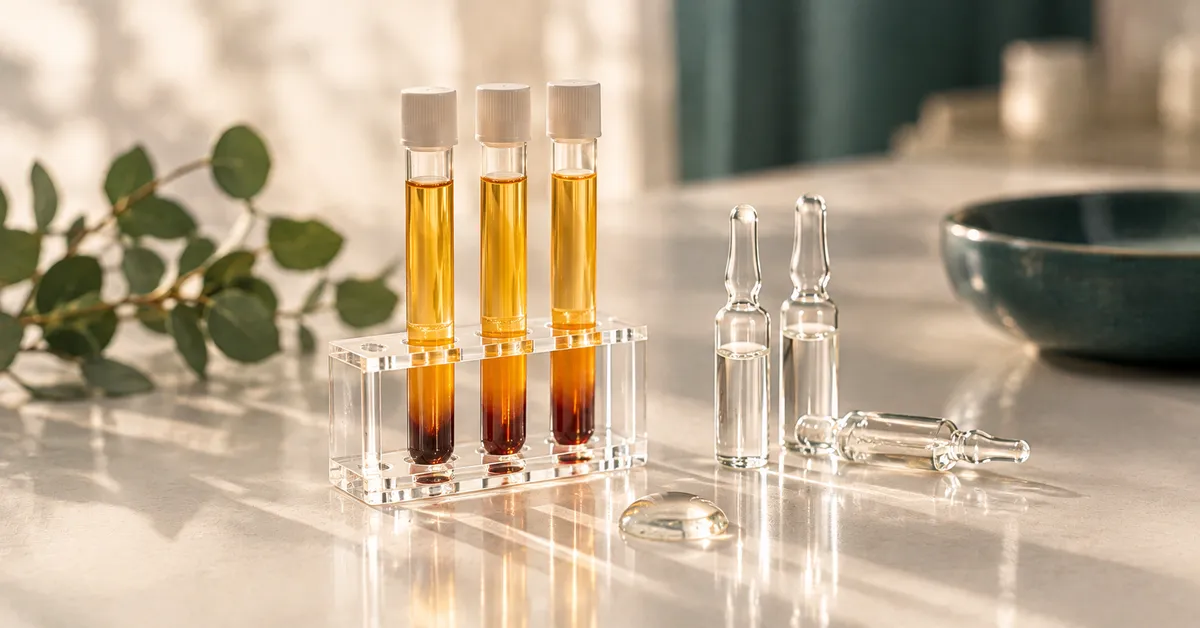
Platelet-rich plasma is made from your own blood. We draw a small amount, spin it to concentrate the platelets, and use the plasma, which is rich in growth factors that drive wound healing. Applied during microneedling or injected, PRP speeds collagen production, improves texture and tone, reduces fine lines, and helps with under-eye hollows, acne scars, and hair thinning. Because it's your own tissue, there's no allergy risk. Results depend on your platelet quality, so general health matters.
What is PDRN?
PDRN stands for polydeoxyribonucleotide, DNA fragments typically purified from salmon, which is why it's sometimes called "salmon DNA." Polynucleotides are a related, longer-chain form. PDRN activates a receptor that boosts cell repair, increases blood vessel growth, and reduces inflammation. It has been used in wound healing for decades and in aesthetics for about ten years, mostly in Korea and Europe, and is now rising fast in the U.S. It improves skin hydration, elasticity, and thickness and is especially good for the delicate under-eye area, the neck, and skin that is thin or crepey.
What are exosomes?
Exosomes are tiny vesicles released by cells that carry proteins, growth factors, and genetic signals to other cells. In aesthetics they are typically derived from laboratory-grown stem cells or from plant sources and applied topically after microneedling or laser. They reduce inflammation and redness, accelerate healing, and improve the skin's repair response. In the U.S., exosomes are used topically, not injected, and quality and sourcing vary widely, so the product and the provider matter.
What are biostimulators?
Injectable products that don't add volume directly but trigger your fibroblasts to build collagen over several months. They restore structure gradually in the temples, cheeks, jawline, and even the body (hands, neck, buttocks, arms). Results take three to six months to develop and last one to two years. They suit diffuse volume loss, such as after weight loss or in menopause, far better than traditional filler does. We'll tell you honestly which biostimulators we offer and which we refer out.
How do they compare?
Treatment | Source | How it works | Best for | Sessions |
|---|---|---|---|---|
PRP | Your own blood | Growth factors drive collagen and healing | Texture, fine lines, acne scars, under-eyes, hair | 3–4, then maintenance |
PDRN / polynucleotides | Purified salmon DNA | Activates cell repair, reduces inflammation | Thin or crepey skin, under-eyes, neck, hydration | 3–4, then maintenance |
Exosomes | Lab-derived cell vesicles (topical) | Signals repair, calms inflammation | Post-procedure healing, redness, overall skin quality | With each microneedling or laser |
Biostimulators | Injectable | Triggers long-term collagen production | Diffuse volume loss, temples, cheeks, jawline, body | 2–4 over months |
Who is a candidate?
Almost anyone who wants healthier skin rather than a changed face. Regenerative treatments are especially suited to women over 40 experiencing the collagen loss of menopause, patients recovering from significant weight loss, those with sun damage or acne scarring, and anyone in a diverse city like San Jose who needs treatments safe across all skin tones. Patients with active skin infection, certain blood disorders, or who are pregnant should wait.
What are the risks?
Low when performed in a medical setting: redness, swelling, bruising at injection sites, and rare infection. PRP has no allergy risk. PDRN and biostimulators carry small risks of nodules if injected incorrectly, which is why physician-level training matters. Exosome products vary in quality; a reputable practice can name its source.
How long before results?
This is slower medicine. Skin looks smoother and more refreshed within a week of microneedling with biologics, but true collagen remodeling takes six to twelve weeks per session and continues for months. Biostimulators build over three to six months. The trade-off for patience is a result that looks like you, improved.
What affects the cost in San Jose?
Cost depends on the treatment (microneedling with PRP, PDRN or exosomes, PDRN injections, or biostimulators) and how many sessions you need. Packages for a series of three are common.
Frequently asked questions
Is regenerative aesthetics safe?
In a medical setting, yes. PRP is your own tissue. PDRN has decades of use in wound healing. Risks are mainly bruising, swelling, and rare infection; proper technique and sourcing matter, which is why a physician-led practice is the right setting.
How is this different from a facial?
A facial treats the skin surface for a few days. Regenerative treatments trigger collagen, elastin, and blood vessel growth in the deeper skin layers over months. The improvement is structural and lasting with maintenance.
Can I combine PRP, PDRN, and exosomes?
Yes, and we often do, choosing the biologic by concern: PRP for texture and scarring, PDRN for thin or crepey skin and under-eyes, exosomes for healing and redness. They can be alternated across a series or layered in one session.
How long do results last?
Collagen built by these treatments is your own and lasts as long as your skin maintains it, typically one to two years, with maintenance sessions two or three times a year keeping results steady. Biostimulators last one to two years.
Are regenerative treatments safe for darker skin tones?
Yes. PRP, PDRN, and exosomes carry no pigment risk, which makes them an ideal foundation for medium and deeper skin tones where some lasers and peels are risky. Delivery with microneedling is also safe across all skin types.
Dr. Hirmendi's Perspective
Regenerative aesthetics is where my medical background and my aesthetic practice meet most directly. I spent years in wound care watching how tissue repairs itself and learning what helps it and what hinders it. PRP, PDRN, and growth factor signaling are not new to me; they are the biology of healing applied to healthy skin. In my practice I favor these approaches because they produce skin that is actually healthier, not just temporarily smoother, and because they respect the face a woman already has. Skin care is health care. Regenerative aesthetics is simply taking that seriously.
Curious which regenerative treatment fits your skin? Book a Discovery Call with our physician in San Jose. Call or text 408-649-1626 or book online at rejuvememedspa.com.
Written and medically reviewed by Mahwash Hirmendi, MD, MPH
Board-Certified Emergency Medicine · Board-Certified Wound Management · Functional Medicine Practitioner · 25+ years of clinical experience
Medical Director, RejuveMe Wellness Clinic, San Jose, California

